LĀ KŪʻOKOʻA
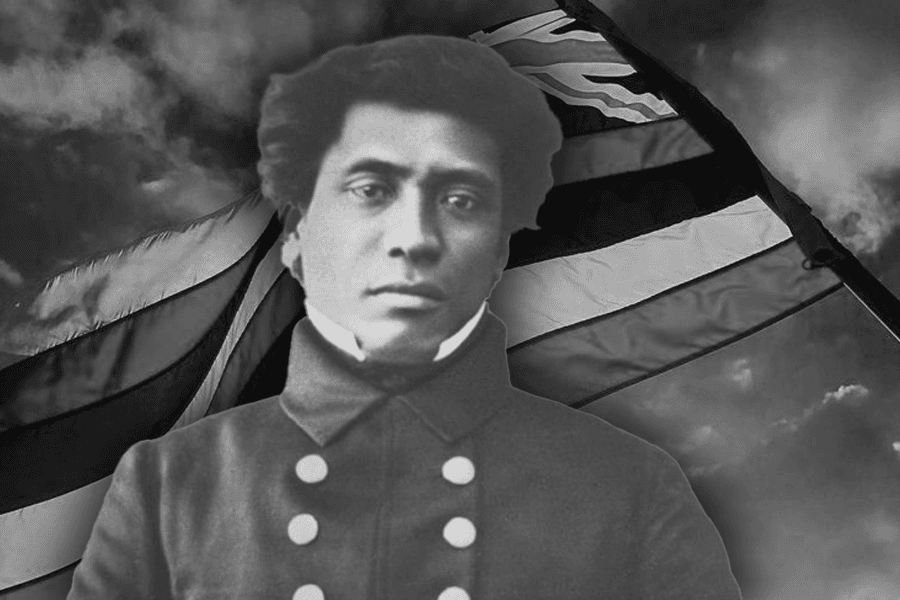
Lā Kūʻokoʻa - Hawaiian Independence Day
Lā Kūʻokoʻa - Nowemapa 28
The events that led to the official diplomatic recognition of independence of the Hawaiian Kingdom by Great Britain, France, Belgium and U.S.A.
by Awaiaulu Inc.
A free digital platform of educational materials in Hawaiian and English for educators in the classroom and the community. Each collection is bilingual and includes narratives, timelines, lessons, songs, posters, and primary Hawaiian language resources.
Resources are provided for Preschool through Grade 12.
LĀ KŪʻOKOʻA
Lā Kūʻokoʻa - Nowemapa 28
The events that led to the official diplomatic recognition of independence of the Hawaiian Kingdom by Great Britain, France, Belgium and U.S.A.
Lā Hoʻihoʻi Ea
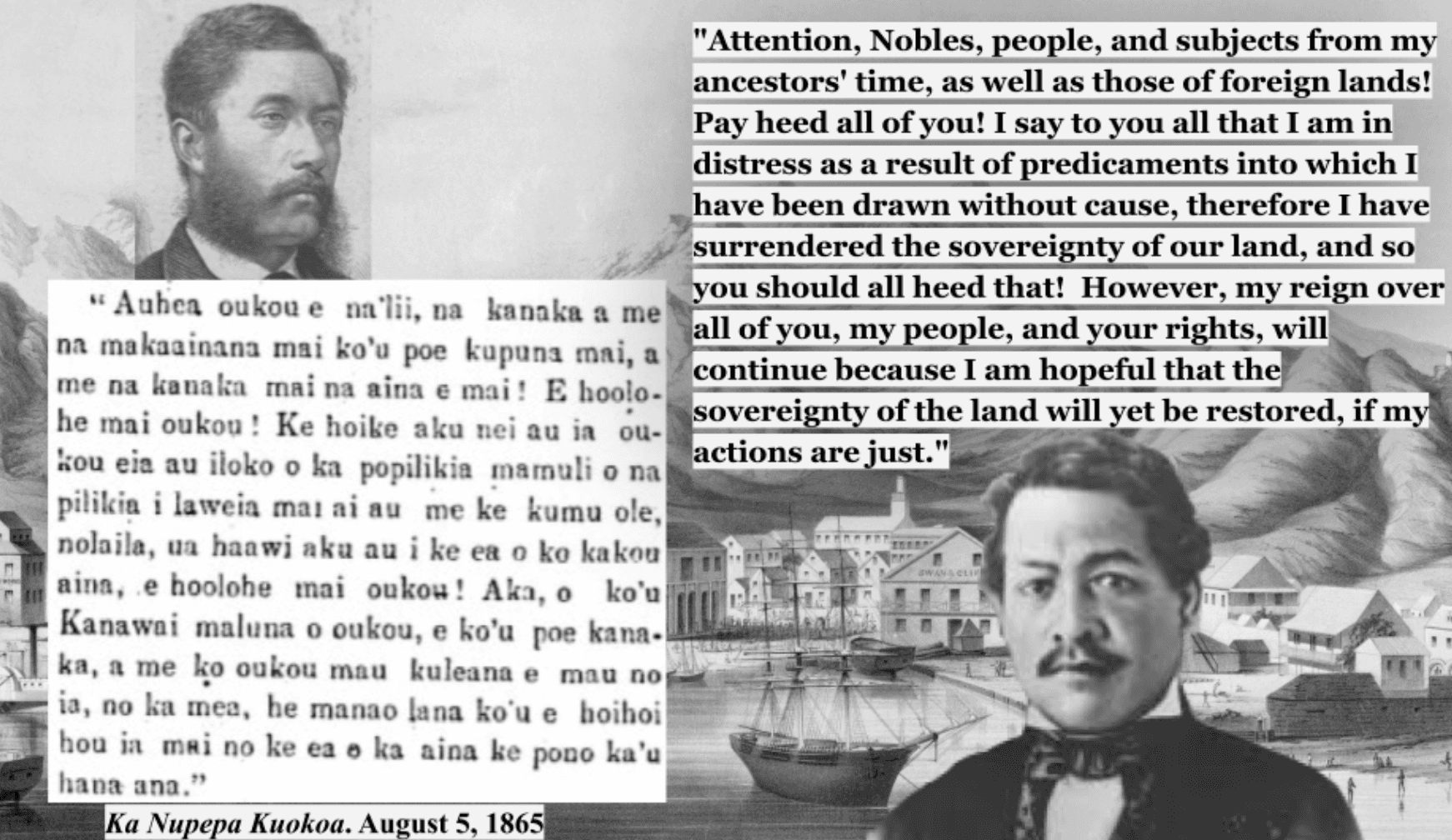
Lā Hoʻihoʻi Ea - Iulai 31
Learn about the restoration of sovereignty to the Hawaiian Kingdom following the occupation of Hawaiʻi by Great Britain during the 1843 Paulet Affair and beyond.
Nāwahī
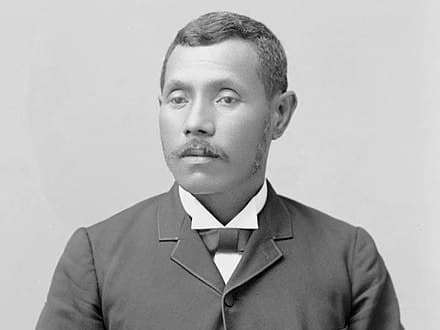
Leader, legislator, lawyer, newspaper publisher and painter. Nāwahī had long political service during the monarchy and played roles in the resistance and opposition to the overthrow.
Kekūanāoʻa
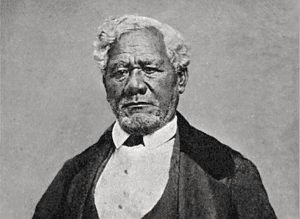
Companion, advisor, husband, father, Governor, Premier, Judge, President of the Board of Education and the Legislature, Privy Council member, statesman, and diplomat–Mataio Kekūanāoʻa was an amazing leader during the formation of the Hawaiian Kingdom.
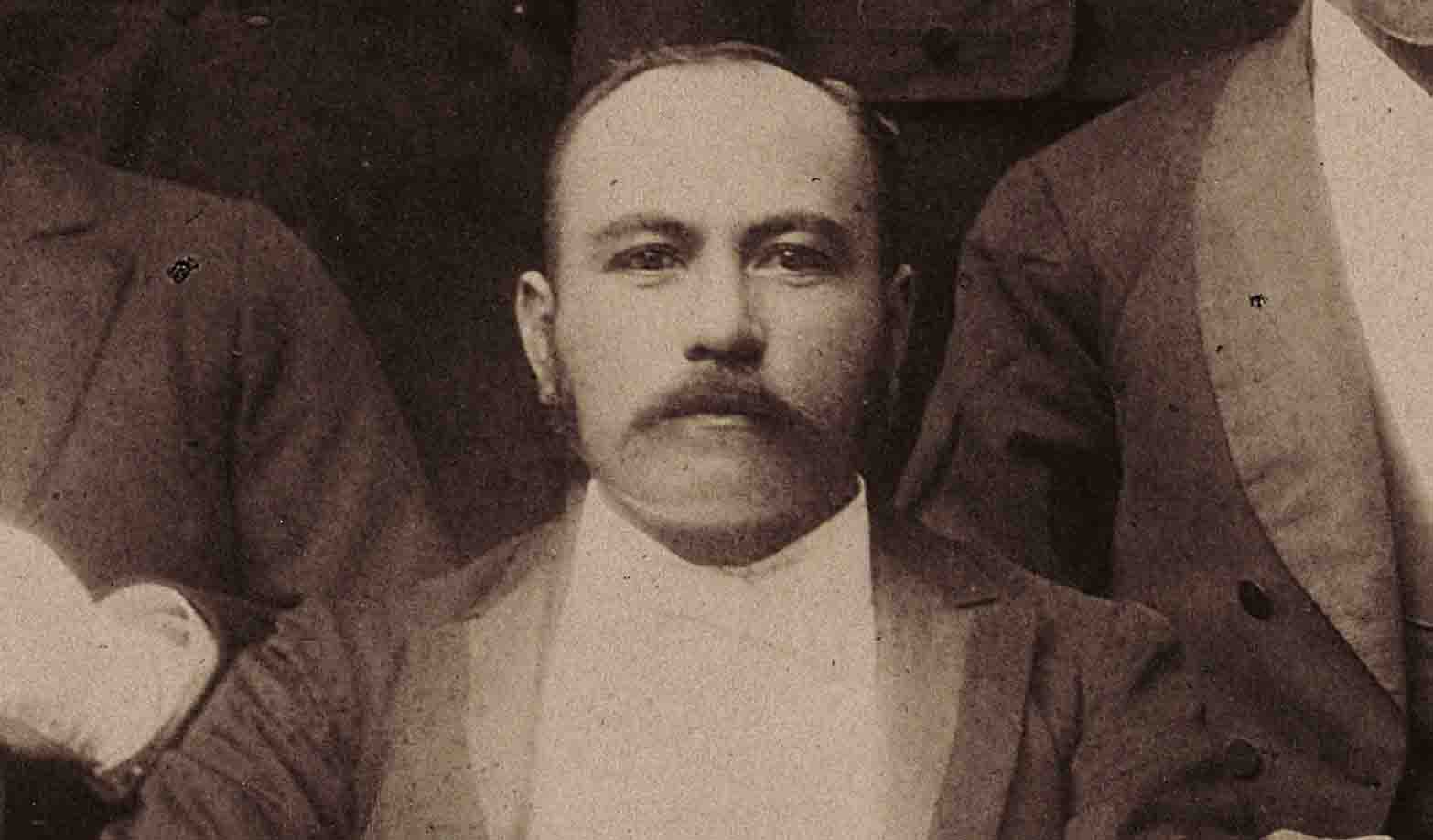
Kaulia
James Kaulia served as a strong leader for Hawaiʻi during a very turbulent time in it's history. While Kaulia is still hailed as a national hero amongst some Hawaiians, through this collection we aim to further spread a broader and more detailed account of his life and accomplishments.
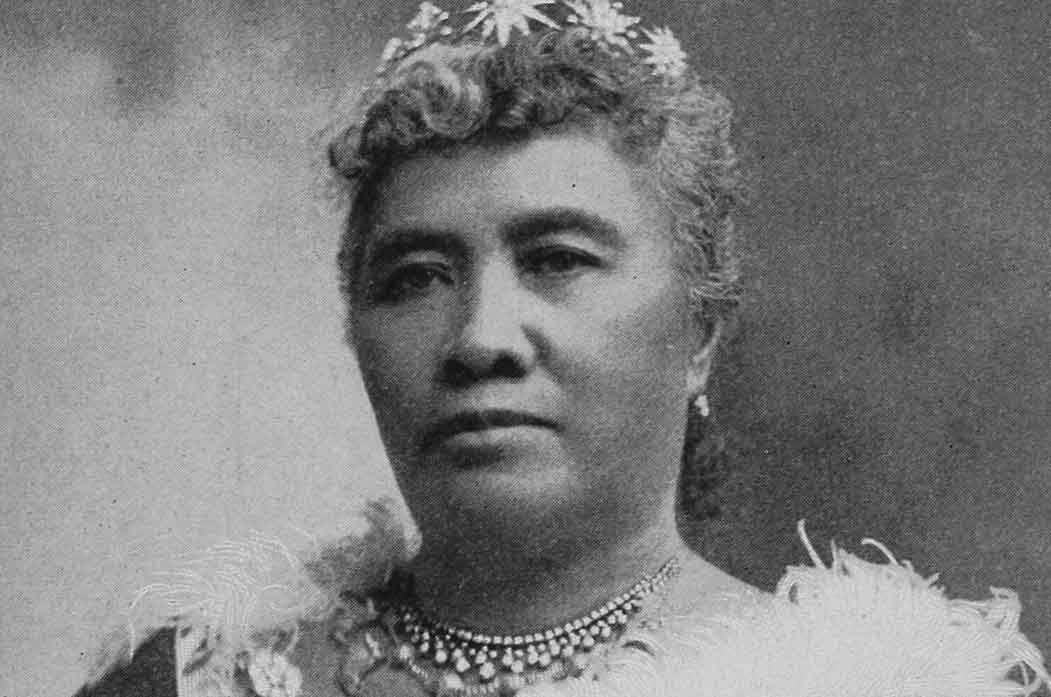
Liliʻuokalani
Ka Huakaʻi Hele a Liliʻuokalani
On the morning of December 4th, 1896 Queen Liliʻuokalani boarded the steamer SS China and sailed from Hawaiʻi, a journey which would become the target of much speculation concerning the future of her nation.
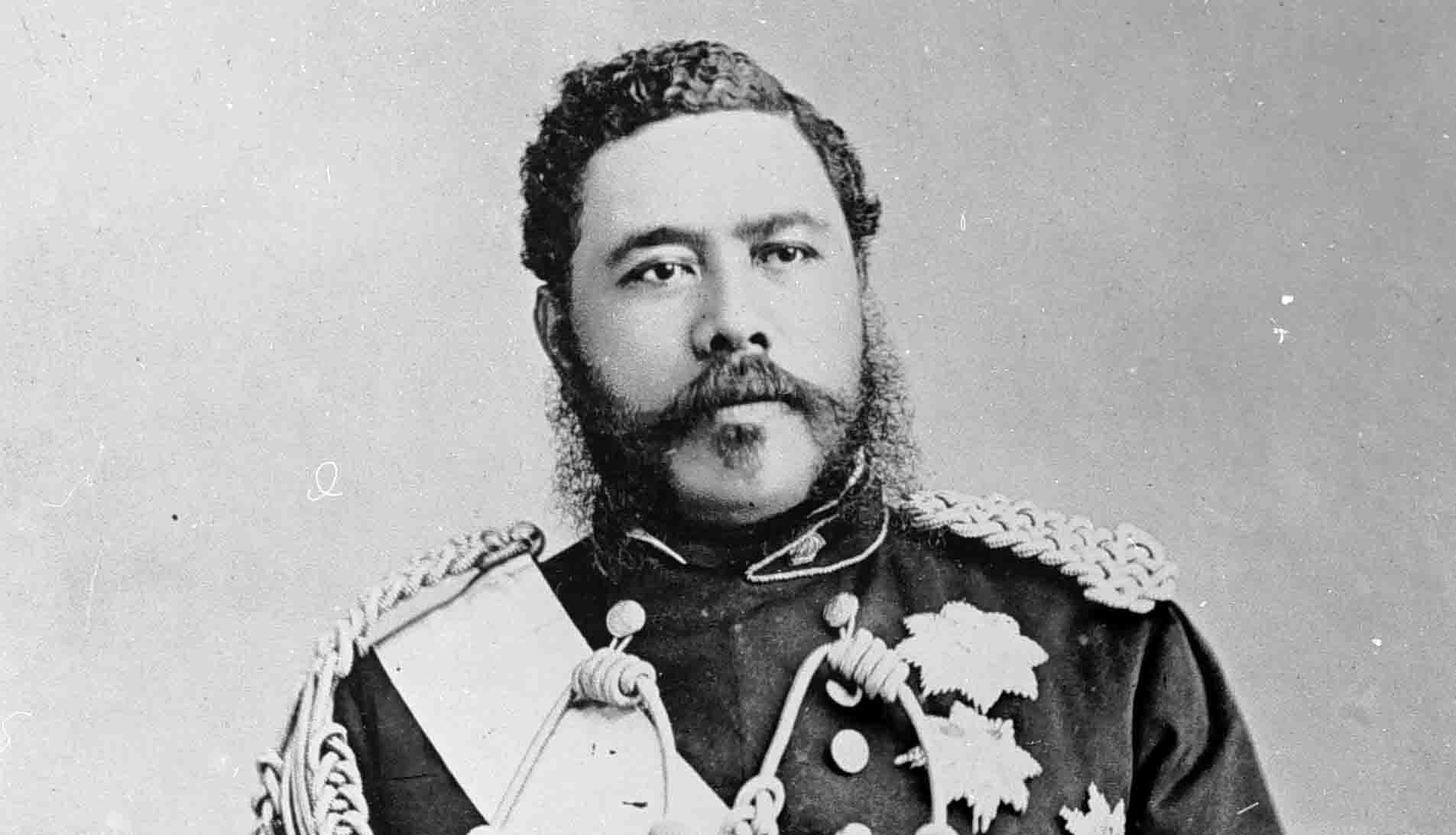
Kaʻapuni Honua
Kaʻapuni Honua
Ka Mōʻī Kalākaua was the first monarch to circumnavigate the world. His world tour was not inspired by his desires to travel as a sightseer but was intended to supply his islands with important alliances and resources that would bolster the international status, the economy, and the population of his country. These would include laborers who would serve the expansion of agricultural industries and who could provide a revitalizing force for the dwindling native people.
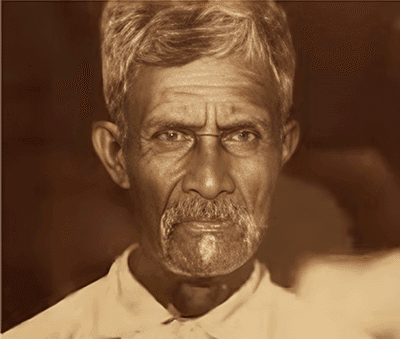
Kalokuokamaile
Z.P. Kalokuokamaile, a native of Nāpoʻopoʻo, Kona Hema, was a repository of cultural knowledge regarding the Kona Hema districts and beyond. Kalokuokamaile was a lifelong learner and an advocate for his people. His writings reflect his desire to educate and inspire. His written articles and editorials included stories about places and the etymology of their names, the native language, politics, people, the church, and traditions of the people. Hawaiian riddles, lexical items of flora and fauna, and thought-provoking editorials are also found in his repository of writings.
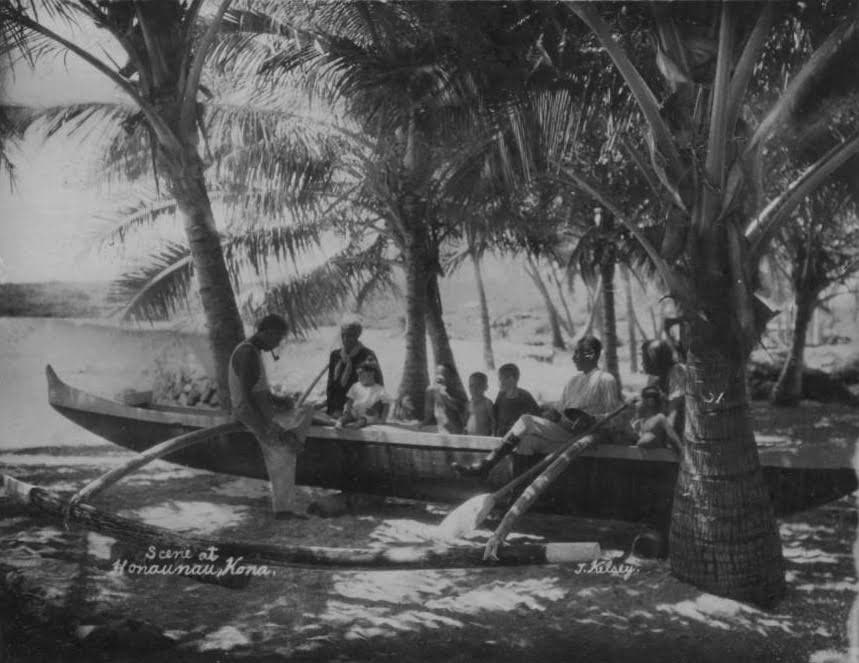
Ke Kālai Waʻa ʻAna
The Profession of Canoe Carving - Canoe carving is among the most superior lines of work, and only with vast knowledge and profound mental analysis is this work possible. During his younger years, when his own father was learning, Kalokuokamaile also went up with these same canoe carving experts to be trained in canoe carving. This ohina explores the practice of canoe carving in Napoʻopoʻo through the lineage of Z.P. Kalokuokamaile.
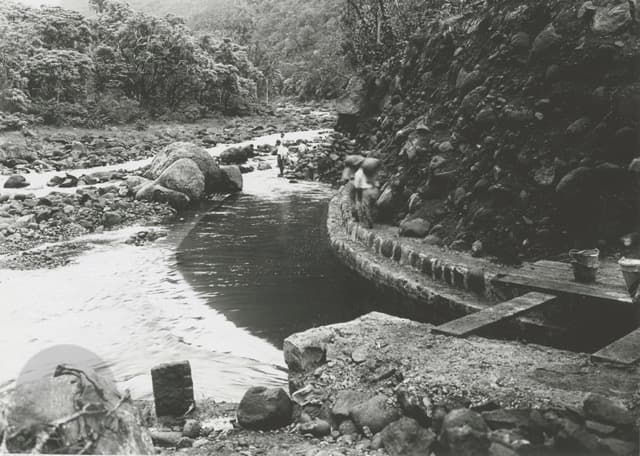
Ka ʻOihana Wai o Honolulu
Moving from pre-kingdom management of wai to government control of water was a hugely significant shift for Hawaiʻi's people and lands. This ʻohina is an exploration of traditional beliefs, and practices around wai, the Hawaiian Kingdom's development of the ʻOihana Wai o Honolulu until 1887 including a sampling of legal cases, including some pertinent to Maui Komohana (West Maui).
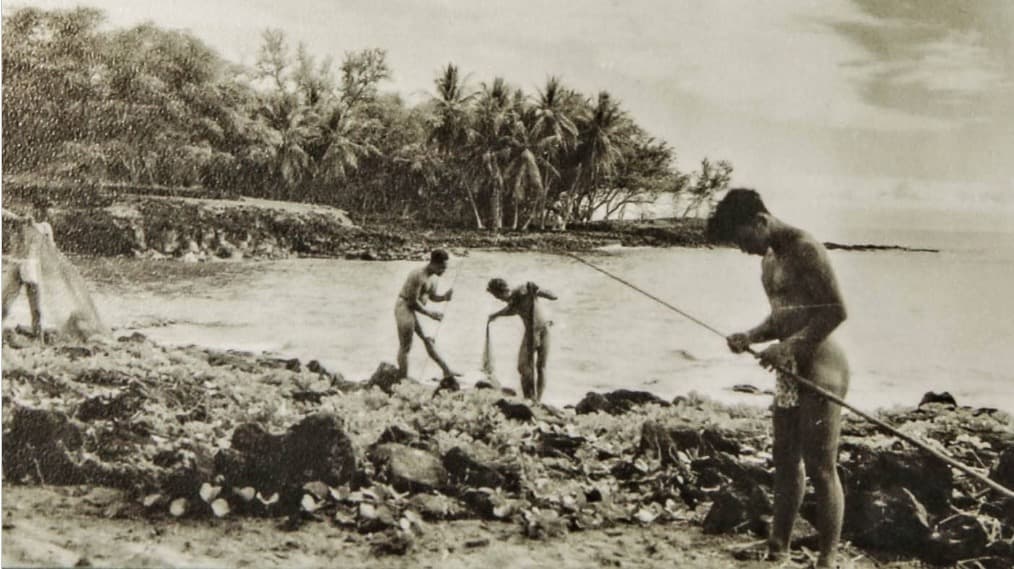
Nā Wahi Pana o ʻEwa
Nā Wahi Pana o ʻEwa
Nā Wahi Pana o ʻEwa was a series of articles published anonymously in the Hawaiian-language newspaper Ka Loea Kalaiaina between 1899 and 1900. The articles documented the storied places (wahi pana) of the ʻEwa district on the island of Oʻahu, many of which were already being lost to changing times. This series served as a model at the turn of the century to preserve Hawaiian place names and their associated stories for future generations.
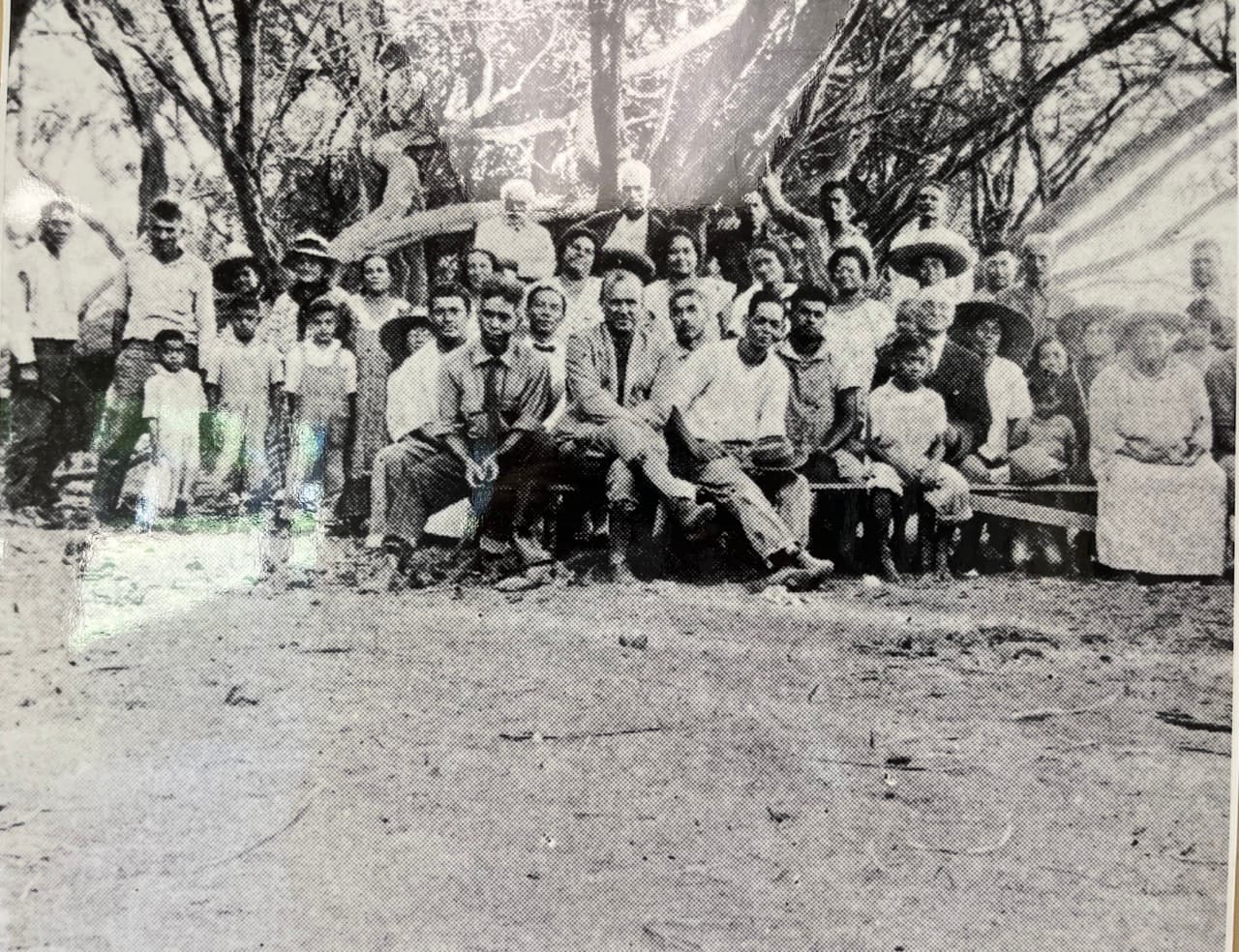
ʻĀina Ho‘opulapula
ʻĀina Ho‘opulapula
This collection traces the complex and often contentious evolution of ʻĀina Hoʻopulapula (Hawaiian Home Lands) in Hawaiʻi. It highlights a pivotal era where the rehabilitation of Native Hawaiians was caught between the interests of powerful sugar plantations, government bureaucracy, and the political maneuvers of Prince Kūhiō Kalanianaʻole.
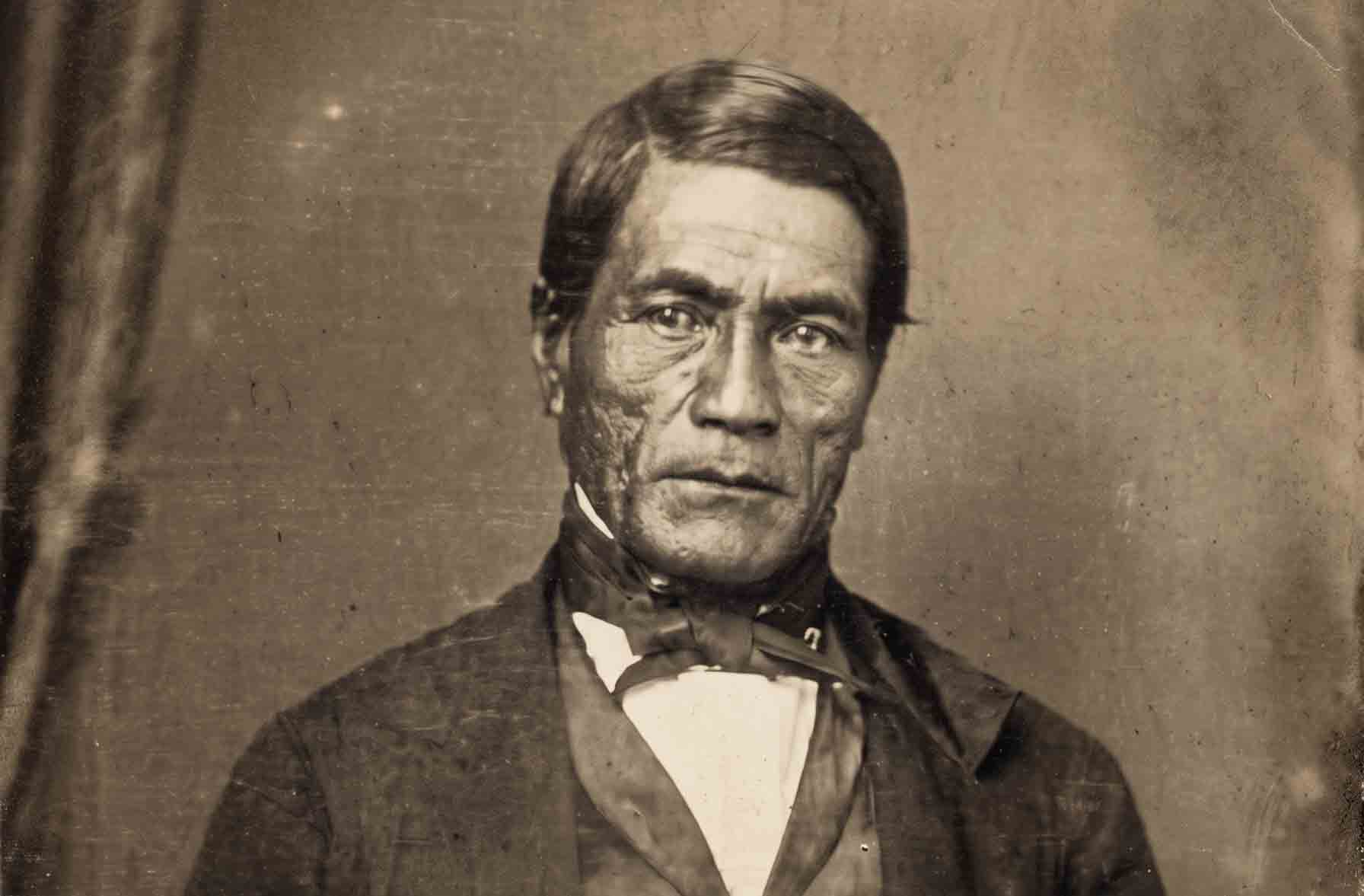
John Papa ʻĪʻī
This collection explores the life and legacy of John Papa ʻĪʻī, a prominent Hawaiian historian, judge, and legislator who served in the Hawaiian Kingdom. His writings and memoirs provide invaluable firsthand accounts of Hawaiian culture, traditions, and the transformation of Hawaiian society during the 19th century.
Register with your email or Google account to access all collections, including narratives, timelines, lessons, songs, and primary Hawaiian language resources.

501(c)(3) Non-Profit Organization
Awaiaulu is dedicated to making Hawaiian language resources accessible to educators and communities. Through translation, research, and digital publishing, Awaiaulu creates bilingual educational materials drawn from primary Hawaiian language sources.
2667 ʻAnuʻu Place, Honolulu, HI 96819
Phone: 808-845-8918
Email: webmaster@awaiaulu.com
Website: awaiaulu.org